


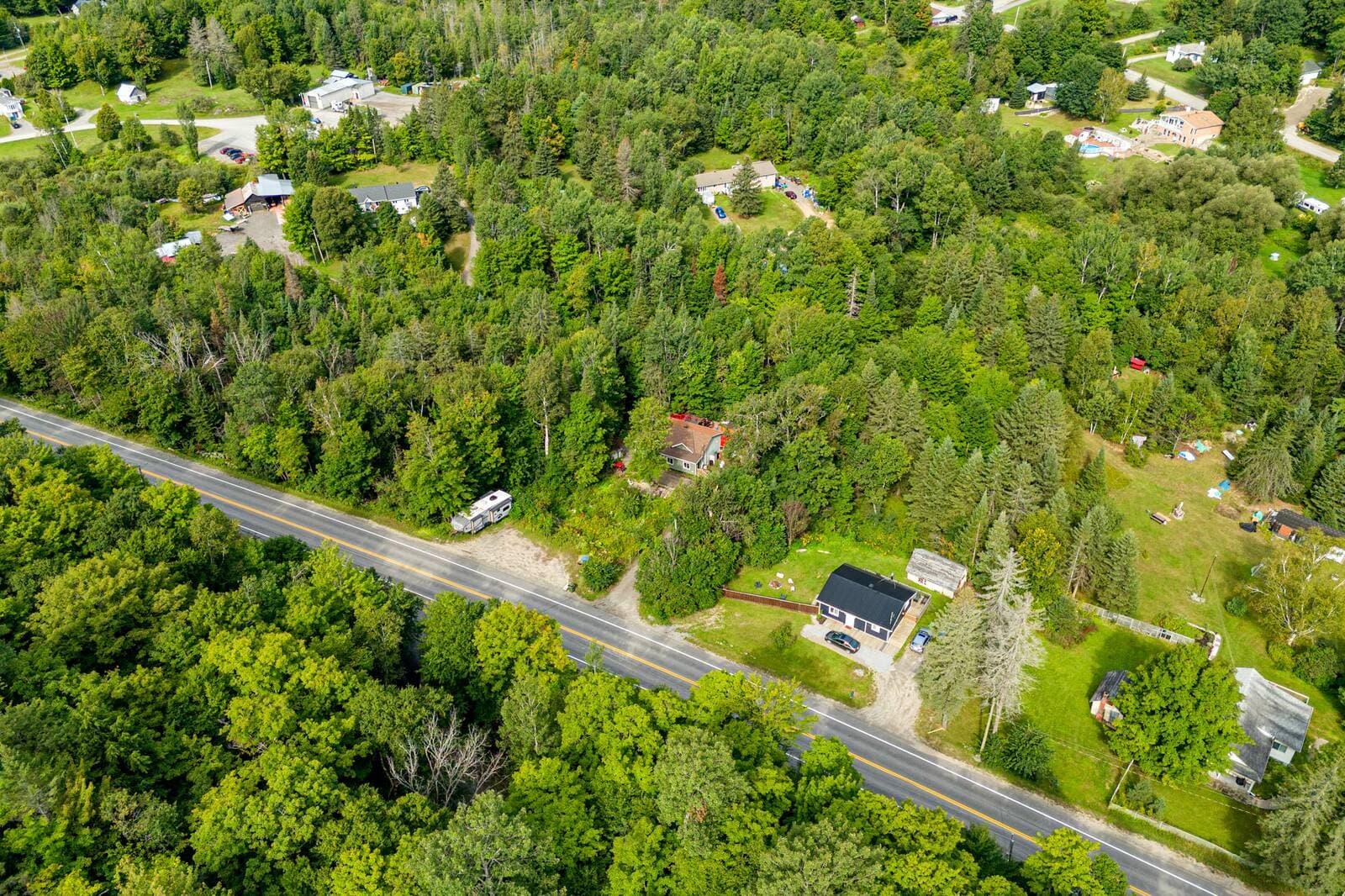
Buying land is often the starting point of a big dream, whether you want to build your dream home or make a long-term investment. However, unlike buying an existing property, acquiring a vacant lot involves major legal and technical considerations.
Here are the key points to consider for a successful land purchase.
Why become a landowner?
The reasons for buying a parcel of land vary and serve different goals:
- Building your own home: Build a custom primary residence or cottage.
- Investment: Benefit from the land’s appreciation over the years.
- Recreation: Use the space for hunting, vacationing or setting up a trailer (depending on regulations).
- Development: Subdivide the lot for resale or operate a woodlot.
5 things to check before signing a promise to purchase
Before you commit, a thorough analysis is essential to avoid unpleasant surprises.
1. Assessing the location and soil
Accessibility and topography are crucial. A sloped or heavily wooded lot can lead to significant site preparation costs. Also check the soil composition: can it support a foundation, an artesian well and a septic system? A site visit is essential to see what the land is really like beyond the photos.
2. Zoning and cadastral boundaries
Never assume you can build whatever you want. Consult the cadastral plan to find out the exact boundaries and any encroachments. Municipal zoning determines the permitted use (residential, agricultural, non-agricultural, etc.) and whether or not the land can be subdivided.
3. Municipal regulations (PIIA and standards)
Each municipality has its own building bylaws. Some areas are subject to a Site Planning and Architectural Integration Program (PIIA), which imposes strict aesthetic standards (materials, colours, roof style). Also find out about restrictions related to flood zones or protected areas.
4. The challenge of connecting to the power grid
In rural areas, access to the Hydro-Québec grid is not automatic. If a grid extension is required, lead times can range from 12 to 18 months, and the associated costs can be substantial. This process must be coordinated by a certified master electrician.
5. Reviewing the legal documents
Two documents are fundamental:
- The certificate of location: It confirms that the land complies with current laws and regulations.
- The urban plan: It will confirm beyond any doubt whether the lot is “buildable.”
Financing and costs to plan for
The down payment
For vacant land, financial institutions generally require a minimum down payment of 20%. However, if you start construction within 12 months of the purchase, some lenders accept a reduced down payment of 5% of the total project cost.
Additional costs
Don’t forget to include in your budget:
- Notary fees and the property transfer tax (the “welcome tax”).
- Technical tests (percolation, soil analysis, contamination testing).
- Tree clearing and excavation costs.
- Sales taxes (GST/QST), which may apply to certain lots.
The steps toward construction
Once the land is acquired, the path to your new home includes drawing up the plans, obtaining municipal permits, excavation, the foundation, then framing and finishing. Each step requires precise coordination between the various trades.
Conclusion
Buying land is a strategic investment that requires patience and due diligence. By surrounding yourself with professionals (notary, land surveyor, contractor), you will turn this plot of land into a solid, lasting project.